Living in Austin: Pros & Cons (2026)
Rosie Hayer | March 4, 2026
Real Estate
Rosie Hayer | March 4, 2026
Real Estate
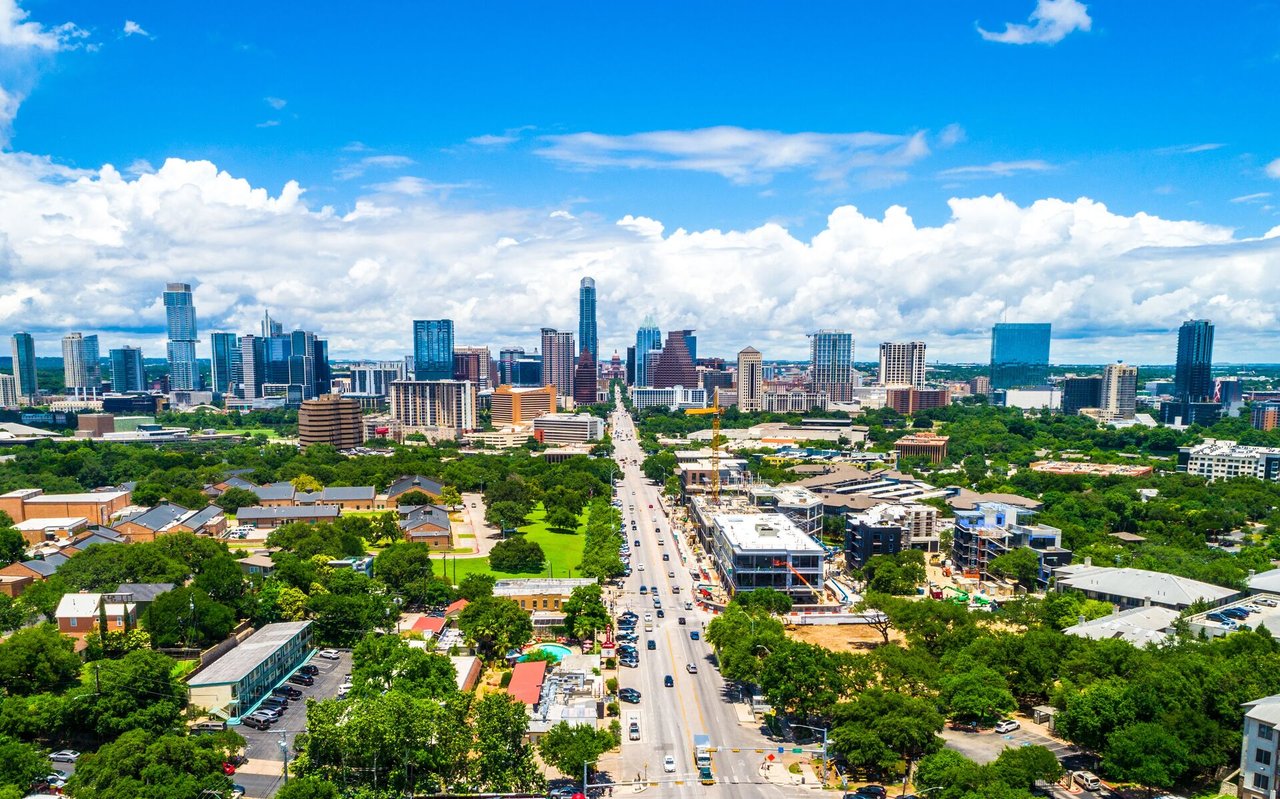
Austin, TX—the Live Music Capital of the World—has become one of America's fastest-growing cities. People flock here for its booming tech industry, outdoor lifestyle and vibrant cultural scene. But rapid growth brings both opportunities and challenges. Here’s what it’s really like to live in Austin in 2026.
Pros of Living in Austin
- **Booming tech industry and job market:** Austin’s economy has exploded thanks to tech giants like Tesla, Dell, Apple and Google. The city’s tech scene attracts talent from around the world, creating a robust economy and low unemployment. No state income tax means your paycheck goes further than in California or New York.
- **Vibrant culture and lifestyle:** Austin is famous for its live music venues, food trucks, barbecue joints and festivals like SXSW and Austin City Limits. Residents enjoy a progressive culture and inclusive vibe. Mild winters mean you can hike, bike and paddleboard year-round; the city’s parks and greenbelts offer a welcome escape from urban life.
- **Economic advantages:** Compared to other tech hubs, Austin remains relatively affordable. There is no state income tax, and the job market is strong with median household incomes around $75,000 and major employers continuing to invest heavily in the region.
Cons of Living in Austin
- **Traffic and limited public transit:** Rapid population growth has outpaced infrastructure. Residents often complain about gridlocked highways and long commutes. Public transportation is limited, so most people rely on cars.
- **Rising housing costs:** Housing is the biggest expense for Austinites. Median home prices hover around $450k and typical rents range from $1,500 to $2,500 per month. Shared rooms in East Austin or Riverside cost $700–$900; one-bedroom apartments rent for $1,200–$1,700; two-bedrooms cost $1,800–$2,400; and luxury units can exceed $4,000 per month. Property taxes are roughly 2% of a home’s value, and competition for housing continues to drive prices up.
- **Hot summers:** While Austin enjoys mild winters, summers can be brutal. Triple-digit heat and high humidity make outdoor activities unpleasant for months on end.
Cost of Living Breakdown (2026)
Even with no state income tax, Austin’s cost of living has edged slightly above the national average. Here is a breakdown of typical expenses:
- **Housing:** Median home price around $450k; rents typically $1,500–$2,500 per month depending on size and neighborhood. Shared rooms cost $700–$900; one-bedroom units $1,200–$1,700; two-bedrooms $1,800–$2,400; luxury apartments $2,500–$4,000+.
- **Utilities:** Average monthly electricity bill is about $140; water/sewer $40–$60; internet around $60.
- **Groceries and dining:** Food costs are slightly below the U.S. average with abundant farmers markets and affordable eateries.
- **Healthcare:** Costs are slightly lower than the national average, with good hospitals and clinics.
- **Transportation:** Many residents rely on cars; gas and insurance are moderate. A monthly public-transit pass costs about $41.
- **Overall budget:** A single adult needs about $101k in annual income to live comfortably in Austin, with monthly expenses around $2,700–$2,900; a family of four needs $230k+ with monthly costs exceeding $6,000.
Tips for Managing Expenses
1. **Choose your neighborhood wisely.** East Austin and Riverside offer more affordable rents, while North Austin and suburban communities provide relatively lower home prices and quieter living.
2. **Budget for property taxes and utilities.** When buying a home, remember property taxes average around 2% of the assessed value. Include electricity, water and internet in your monthly budget.
3. **Use alternative transportation.** If possible, take advantage of carpooling, biking trails and the city’s growing network of buses to reduce fuel and parking costs.
4. **Explore free activities.** Austin offers countless free or low-cost events like outdoor concerts, art markets, hiking trails and community festivals. Enjoying the city’s natural beauty can help offset housing and utility costs.
Conclusion
Living in Austin in 2026 means balancing an exciting job market and cultural scene with rising housing costs and traffic. For many, the absence of a state income tax, strong employment opportunities and lively music and food culture outweigh the challenges. By researching neighborhoods, budgeting for higher housing and utility costs and taking advantage of free events, you can make the most of Austin’s unique lifestyle and decide whether this thriving Texas city is right for you.
Stay up to date on the latest real estate trends.
Neighborhoods
Rosie Hayer | March 10, 2026
A look inside one of Central Austin’s most charming neighborhoods and what makes Rosedale such a desirable place to live.
Real Estate
Rosie Hayer | March 4, 2026
Explore the perks, challenges, and cost of living in Austin in 2026.
Real Estate
April 5, 2022